You want clear information about how to build a career with Under Armour. This guide explains store and corporate roles, salary expectations, qualifications, and the full application process.
You will learn what hiring managers look for and how to prepare properly. This article gives you structured steps so you can apply with confidence.
Overview of Under Armour as an Employer
Under Armour is a global sportswear company known for performance apparel and innovation. You need to understand the company’s structure before choosing which position fits your goals.
Under Armour operates retail stores, corporate offices, and distribution centers worldwide. The company focuses on performance, teamwork, and measurable results.
Its culture encourages accountability and continuous improvement. You are expected to contribute to business growth while supporting customer satisfaction.
Company Culture and Core Values
You should align your mindset with the company’s performance standards before applying. Employers prioritize teamwork and measurable contribution.
The company promotes innovation in product development and operations. Employees are encouraged to take initiative and solve problems efficiently.
Team collaboration is essential across departments. Diversity and inclusion remain part of its workforce strategy.
Types of Store Positions Available
Store roles focus on customer service and daily retail operations. You can start at the entry level or apply for leadership roles depending on experience.
Retail teams are responsible for sales performance and brand representation. You must interact with customers professionally and confidently.
Store employees help maintain product displays and manage inventory. Flexible scheduling is often required, including weekends and holidays.
Sales Associate
You will focus on customer engagement and strong product knowledge. Your goal is to drive sales while delivering excellent service.

Sales associates assist customers with product selection and sizing. You are expected to meet sales targets consistently.
Strong communication skills increase your success in this role. Basic retail experience can give you an advantage.
Stock Associate
You will manage inventory and support store organization. This role requires physical activity and attention to detail.
Stock associates receive shipments and restock shelves efficiently. You help maintain accurate inventory records.
Physical lifting and extended standing are common requirements. Organization skills are essential for backroom management.
Store Management Roles
Leadership positions require retail experience and strong performance results. You must guide teams and meet financial targets.
Assistant managers supervise daily operations and train staff members. Store managers oversee hiring, scheduling, and revenue performance.
You are accountable for achieving store sales goals. Leadership and problem-solving skills are critical in these positions.
Corporate Career Opportunities
Corporate roles focus on business strategy and brand development. You need specialized education and relevant experience for these positions.
Corporate employees work in structured departments with defined objectives. Roles vary from entry-level analysts to senior executives.
You may work in marketing, finance, HR, supply chain, IT, or product development. Strong analytical skills are valuable in these roles.
Major Corporate Departments
You should understand which department matches your professional expertise. Each department supports business growth differently.
The following departments commonly hire professionals:
- Marketing and Brand Management – You develop campaigns and manage brand positioning.
- Finance and Accounting – You monitor budgets, forecasts, and financial reports.
- Human Resources – You manage recruitment and employee development.
- Product Development – You collaborate on innovation and performance design.
- IT and Digital – You maintain systems and support digital platforms.
- Supply Chain and Logistics – You oversee distribution and inventory systems.
Each department has clear performance expectations. You must meet deadlines and maintain measurable results.
Experience in your field increases competitiveness. Corporate roles often require structured interviews.
Qualifications and Requirements
You must meet education standards and skill requirements depending on the role. Store and corporate expectations are different.
Retail positions usually require a high school diploma or equivalent. Corporate roles typically require a bachelor’s degree.
Some departments may require certifications or specialized training. Relevant work experience improves your chances.
Key Skills Employers Look For
You should develop practical skills before applying for any position. Hiring managers evaluate both technical and soft skills.
Employers value strong communication and teamwork abilities. Leadership skills are important for management roles.
Analytical thinking is critical in corporate departments. A results-driven attitude improves hiring potential.
Salary Expectations and Employee Benefits
You need realistic expectations about compensation packages. Salaries vary by location, experience, and job level.
Retail sales associates typically earn hourly wages based on local market rates. Store managers receive higher salaries with bonus eligibility.
Corporate entry-level roles often offer competitive annual salaries. Senior executives receive performance-based bonuses and incentive packages.
Benefits Package Overview
You should review employee benefits before accepting any offer. Total compensation includes more than base pay.
The company often provides health insurance and retirement plans. Paid time off policies support work-life balance.
Employee discounts are common in retail roles. Performance incentives may apply to both store and corporate employees.
Step-By-Step Guide to Applying
You need a structured approach to submit a strong job application. Preparation improves your selection chances.
The process begins by searching open positions on the official careers portal. You must filter jobs by location and department.
Create a professional online profile with updated information. Submit your application only after reviewing all details carefully.
Preparing Your Resume
You should tailor your resume for the specific job role. Customization increases interview opportunities.
Highlight measurable achievements in previous roles. Focus on relevant experience related to retail or corporate tasks.
Keep formatting simple and professional. Avoid unnecessary information that does not match the job description.
Interview Preparation
You must prepare answers before attending job interviews. Confidence improves your overall performance.
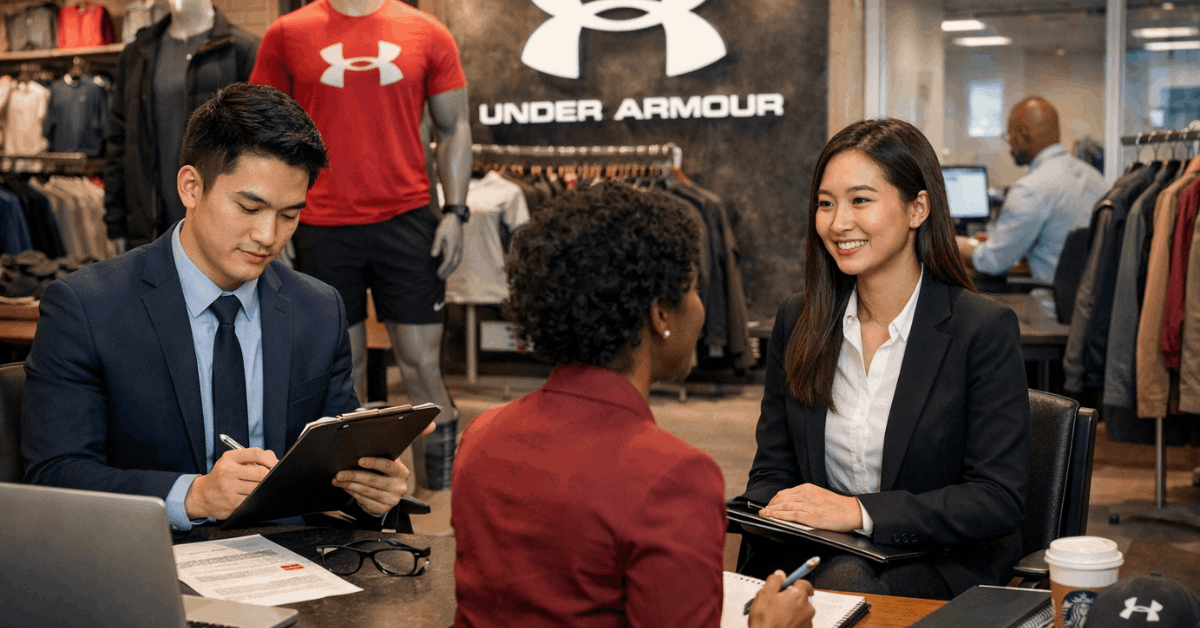
Retail interviews often include customer service scenarios. Corporate interviews may include behavioral and technical questions.
Dress professionally according to company standards. Always follow up with a short professional message to show professionalism.
Hiring Process Timeline
You should understand what happens after the submission of your application form. The timeline may vary by department.
Applications go through resume screening and qualification review. Some roles use automated tracking systems.
Qualified candidates receive interview invitations. Final candidates may complete multiple interview rounds.
Offer and Onboarding
You must review the job offer carefully before accepting. Onboarding prepares you for long-term success.
Successful candidates receive an official offer letter. Background checks may be required depending on the role.
Training sessions introduce company policies and systems. Early performance expectations are clearly communicated.
Career Growth and Promotion Opportunities
You should evaluate long-term career development before accepting a role. Growth opportunities increase job stability and motivation.
Retail employees can move into assistant and store manager roles. Corporate employees can advance into department leadership positions.
Performance reviews influence promotion decisions. Continuous training supports internal advancement.
Training and Development
You must invest in skill development to progress professionally. Learning increases your promotion potential.
Leadership training programs prepare employees for higher roles. Skill-based workshops improve technical competence.
Mentorship programs support career guidance. Internal mobility options allow role transfers across departments.
Common Mistakes to Avoid
You should avoid errors that reduce your hiring chances. Attention to detail matters during the entire process.
Submitting incomplete applications often leads to rejection. Generic resumes reduce competitiveness.
Ignoring recruiter communication delays the process. Lack of preparation weakens your interview performance.
Take Action and Build Your Career Today
You now understand how to approach Under Armour Jobs with clarity and structure. You have clear guidance on roles, qualifications, salary expectations, and hiring steps.
Preparation and alignment with company values increase your success rate. Start refining your resume, explore open roles, and submit your application with confidence.